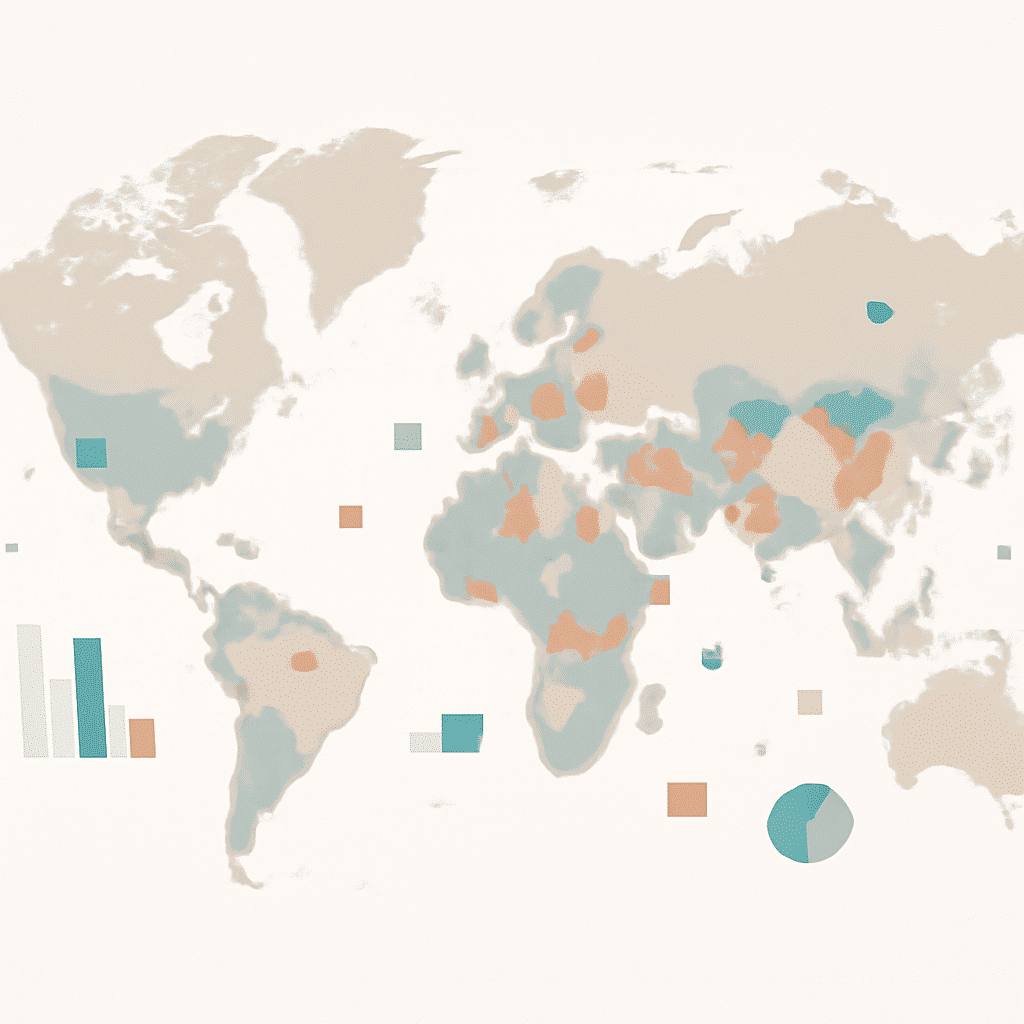
Press freedom is a cornerstone of democratic society, serving as a catalyst for transparency, accountability, and informed citizenry. Around the world, the landscape of press freedom varies widely, shaped by political, social, and economic factors. This article explores the state of press freedom globally, highlighting both leading and lagging countries.
Global Leaders in Press Freedom
Countries in Northern Europe consistently rank at the top of press freedom indices. Nations like Norway, Finland, and Sweden are often heralded as champions, where journalism thrives under robust legal protections and strong institutional support. In these countries, the press operates with minimal government interference and enjoys a high degree of public trust.
Norway, for instance, consistently ranks as the leader due to its transparent government practices and laws encouraging freedom of expression. Finnish media is characterized by its diversity and independence, bolstered by legislation that firmly upholds freedom of the press. Sweden's historical commitment to open access to information fosters a rich environment for investigative journalism and media pluralism.
Regions Facing Press Freedom Challenges
Contrastingly, in several countries, press freedom is under significant threat. Nations with authoritarian regimes often exhibit the most severe restrictions, where journalists face harassment, imprisonment, or worse for challenging state narratives.
In China, for example, the government tightly controls media, with strict censorship and suppression of dissenting voices. The Chinese Communist Party dominates the media landscape, ensuring that content aligns with state policies and objectives.
Similarly, North Korea stands as one of the world's most repressive media environments. The state exclusively controls all media content, and citizens have no access to independent journalism or any information that contradicts state doctrine.
Complex Dynamics in Transitional Societies
In transitional societies and developing nations, the status of press freedom is more nuanced. Countries like Mexico and Turkey grapple with challenges that stem from political instability, corruption, and violence against journalists.
In Mexico, organized crime poses a significant risk to journalists, who often face threats for reporting on drug cartels and corruption. The government has taken steps to improve protections, but the environment remains perilous for those in the field.
Turkey's media landscape has increasingly come under government influence, with stringent crackdowns on free expression, particularly following the attempted coup d'état in 2016. Despite these challenges, journalists and civil society groups continue to push for greater freedoms and reforms.
The Role of Technology
Across all regions, the advent of digital technology both aids and complicates the pursuit of press freedom. On one hand, digital platforms provide new avenues for information dissemination, circumventing traditional government barriers. On the other hand, cyber policies and online harassment represent new forms of censorship and threats to journalists.
Conclusion
Press freedom remains an essential pillar for societal development, yet its state globally is marked by stark contrasts. While some nations exemplify the ideals of free press, others continue to stifle journalistic freedom through various mechanisms of control. It is crucial for international bodies, local advocacy groups, and governments to work collaboratively to protect and promote press freedom, ensuring that the media can serve its vital role in society. As the world becomes increasingly interconnected, the fight for press freedom must evolve to address both traditional and emerging threats, safeguarding this fundamental right for future generations.